
In 2026, having a LinkedIn profile is not enough; you must have a profile that ranks. LinkedIn has evolved from a simple networking site into a sophisticated interest-based discovery engine. If your profile isn’t optimized for the current algorithm, you are invisible to the 90% of recruiters who now use AI-driven search tools to find talent.
Here is how to master LinkedIn profile optimization 2026 to ensure you stay at the top of the search results.
1. The “Topic DNA” Strategy
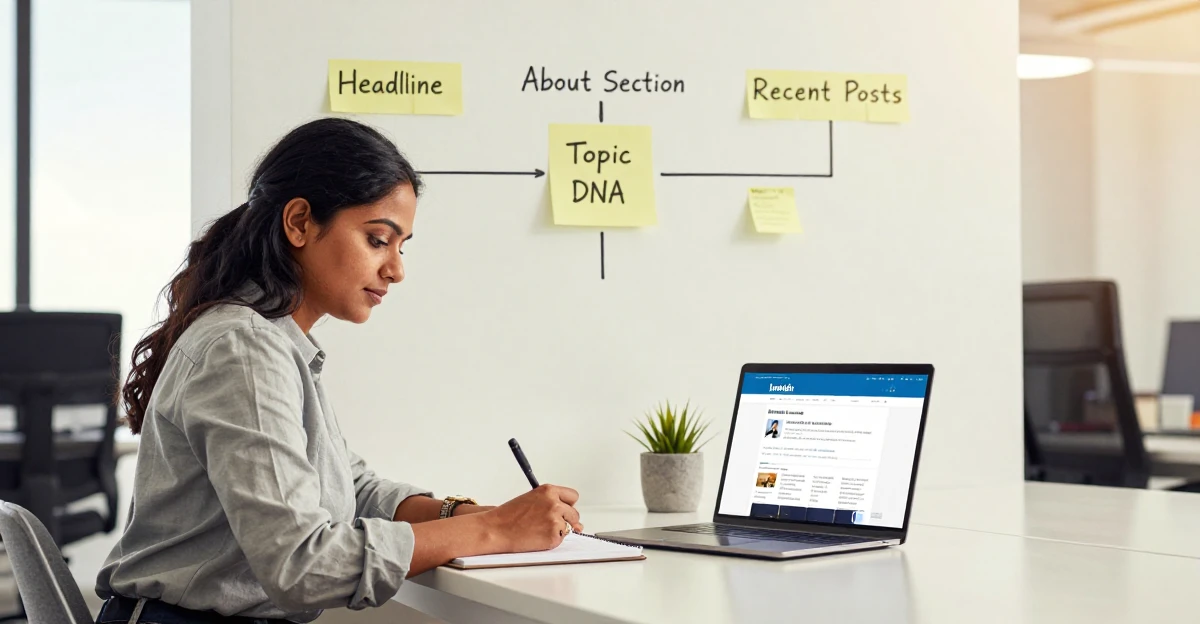
The 2026 algorithm prioritizes “Creator Authority.” It categorizes your profile based on a “Topic DNA.” To optimize this, your Headline, About section, and recent posts must all revolve around 2–3 core professional pillars.
2. Headlines are Now “Search Strings”
Recruiters no longer browse; they use Boolean search strings. A headline like “Experienced Marketing Manager” is too vague. For effective LinkedIn profile optimization 2026, use the formula:
[Current Role] | [Core Hard Skill] | [Quantifiable Achievement / Value Proposition]
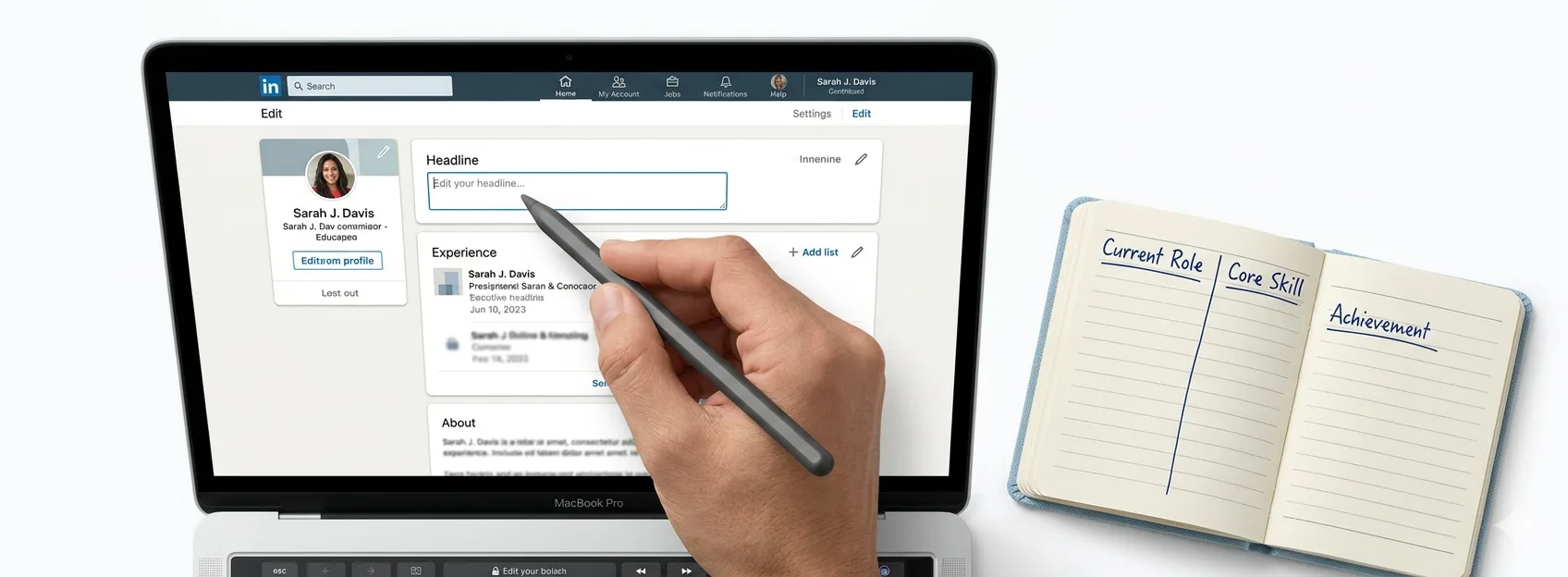
- Example: Digital Marketing Manager | SEO & Performance Marketing | Scaled B2B SaaS traffic by 200%.
3. Boosting “Dwell Time” with the Featured Section
LinkedIn now measures how long visitors stay on your profile — a metric called “dwell time.” Longer dwell time signals to the algorithm that your profile is engaging and valuable, which directly improves your search ranking.
The Featured section is your most powerful tool for increasing dwell time. Use it to host:
- PDF Carousels: These are the highest-performing content type on LinkedIn in 2026. Create a 5-slide “Lesson Learned” or “Project Breakdown” carousel that showcases your expertise.
- Video Introductions: A 30-second clip of you explaining your leadership philosophy or career mission builds instant trust and keeps visitors on your profile significantly longer.
- Case Studies: Document a client success story or project outcome as a Featured post — this demonstrates real-world impact beyond your resume bullets.

4. Skill Verification and Identity Signals
Trust is the currency of LinkedIn in 2026. Profiles with LinkedIn Verifications (the blue checkmark), Skill Assessment Badges, and verified work history are explicitly prioritized in recruiter searches. These are not optional extras — they are ranking signals.
LinkedIn data shows that completing skill verifications can increase your profile visibility by up to 30%. The platform now allows up to 100 skills, and this section is directly searchable in LinkedIn Recruiter. Prioritize your top 10 skills to mirror the keywords that appear most frequently in job descriptions for your target roles.
5. Writing the About Section as a “Searchable Database”
Your LinkedIn About section is no longer just a biography — it is a searchable index. In 2026, LinkedIn’s search algorithm indexes every word in your About section and uses it to match your profile against recruiter search queries.
Structure your About section in three paragraphs:
- Hook (first 3 lines): These are the only lines visible before the “See more” click. Open with a compelling statement that includes your primary keywords and immediately communicates your value proposition.
- Career narrative: Describe your professional journey with specific achievements, tools, industries, and measurable outcomes. Weave in the keywords that recruiters in your target field actually search for.
- Call to action: End with a clear next step — invite connections, mention you are open to opportunities, or link to your portfolio or website.
Keep each paragraph short for readability — the algorithm values engagement (people clicking “See more”) as a ranking signal itself.
6. Transitioning from “Duty” to “Impact” in Experience
In your Experience section, remove the list of duties and responsibilities. Recruiters in 2026 want to see a business case — evidence that you created measurable value. Use the P.A.R. framework (Problem → Action → Result) for every bullet point.

The 2026 algorithm specifically scans for quantifiable nouns and action verbs to build your Authority Score. A profile filled with P.A.R.-based bullets will consistently outrank a responsibilities-based profile in recruiter searches.
7. Maintaining Algorithmic Momentum with Activity
Profile optimization is not a one-time task — it requires ongoing activity to maintain visibility. LinkedIn’s algorithm reduces your search ranking if you stop posting or engaging. Consistency is critical.
Focus on three types of activity:
- Commenting strategically: Thoughtful comments on industry posts now carry twice the algorithmic weight of simple likes. Aim for 3-5 meaningful comments per week on posts by people in your target industry.
- Publishing content: Share original insights, project learnings, or industry observations at least once per week. Content that gets engagement boosts your profile’s overall visibility score.
- Engaging with your network: Respond to every comment on your own posts, send personalized connection requests, and participate in relevant LinkedIn groups.
Profiles that maintain consistent weekly activity receive significantly more recruiter InMails than dormant profiles — even if the dormant profile has better credentials on paper.
Conclusion: Your LinkedIn Profile Is Your 24/7 Career Ambassador
Your LinkedIn profile is no longer a static digital resume — it is a living, searchable, algorithm-ranked career asset. By applying these LinkedIn profile optimization strategies for 2026, you shift from chasing jobs to attracting opportunities. When your profile perfectly aligns with your professional resume and demonstrates consistent expertise, you create a seamless personal brand that recruiters cannot ignore.
The professionals who implement these changes now will have a significant head start as LinkedIn’s AI-powered hiring tools become even more dominant throughout 2026 and beyond.
Is Your LinkedIn Profile Working as Hard as You Are?
At Jhanvi Technologies, we provide specialized LinkedIn profile optimization and makeover services. Our team transforms your profile into a recruiter-magnet using every strategy outlined in this guide — delivered in just 4 days. Starting at ₹2,499.
Get Your LinkedIn Makeover →